


Low back pain is a common symptom in rural life.Working in the garden and vegetable garden, carrying out daily small repairs at home - now it is difficult to straighten up and rest turns into torture.Low back pain is a common symptom in villa life.In fact, the vast majority of back pain in the villa is related to problems with the musculoskeletal system.But it should be remembered that there are other diseases whose symptoms may be lower back pain.This is important because treatments vary, and a lack of treatment can have disastrous consequences.

Let's take a look at why your lower back might be hurting in the villa.Most often, lower back pain indicates that you have:
- Osteochondrosis and neuralgia;
- kidney disease;
- Pancreatitis is in the acute phase.
Let's look at each possible reason in more detail.Low back pain can be related to a variety of kidney conditions:
- Glomerulonephritis – non-infectious kidney damage;
- Pyelonephritis - purulent inflammation of the renal pelvis;
- Formation and movement of kidney and ureteral stones.
Often, hypothermia, a cold, or diet can promote kidney disease.It's easy to confuse a tear in your lower back with a kidney problem.However, this disease has some characteristic symptoms:
- Pain is not related to movement and physical activity;
- Body temperature often rises above 37.5 degrees;
- Gently tapping the edge of the palm in the kidney area can cause severe pain;
- Problems urinating - too often or too little, painful;
- Urine becomes cloudy and discolored.
When a person's kidneys are injured,First, you need to call your doctor.This organ performs a very important function in the body and cannot be risked.When the doctor comes to your villa, try to relieve the patient's condition.
What you can do:
- Have the patient lie down or help him assume a comfortable position;
- If you have a fever, give antipyretics;
- Administer antispasmodics to patients;
- monitor pressure and temperature;
- If the person needs to be turned around, offer assistance if necessary.
It is often said that applying heat or taking a warm bath can help treat kidney disease.remember!Warming procedures are absolutely prohibited!If the pain is caused by pyelonephritis, warming will only make it worse because the inflammation caused by heat will be exacerbated.
All other events can be assignedthe only doctorAfter professional inspection.
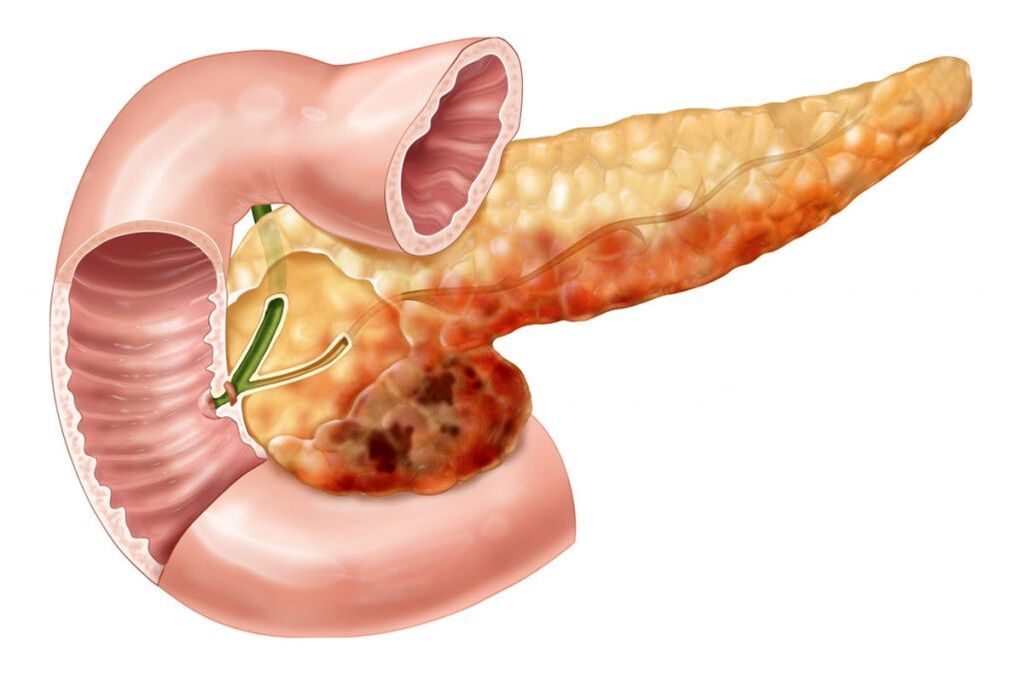
A classic symptom of pancreatitis is girdle pain that starts just below the ribs on the left side.It then spreads to the stomach and back, forming a ring.Pain in the belly button area may also indicate pancreatitis.In atypical forms of the disease, back pain (slightly higher than the lower back) is not uncommon—they are often mistaken for anything other than symptoms of pancreatitis.

Back pain caused by acute pancreatitis can be severe.First aid for pancreatitis includes:
- Hungry (sick before exam)Absolutely impossibleyes);
- Comfortable location (helping the person find it), calmness and comfort;
- Drink alcohol in moderation (you can drink a small amount of boiled water at a time);
- Monitor condition (do not leave patient alone).
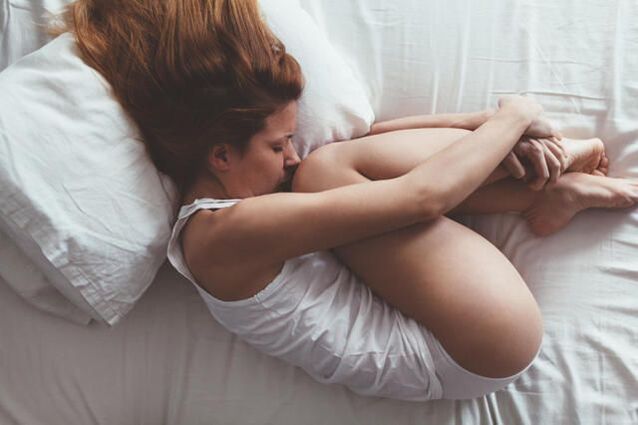
There are some body positions that can help reduce pain: knee-elbow position and fetal position.This pose helps reduce pain
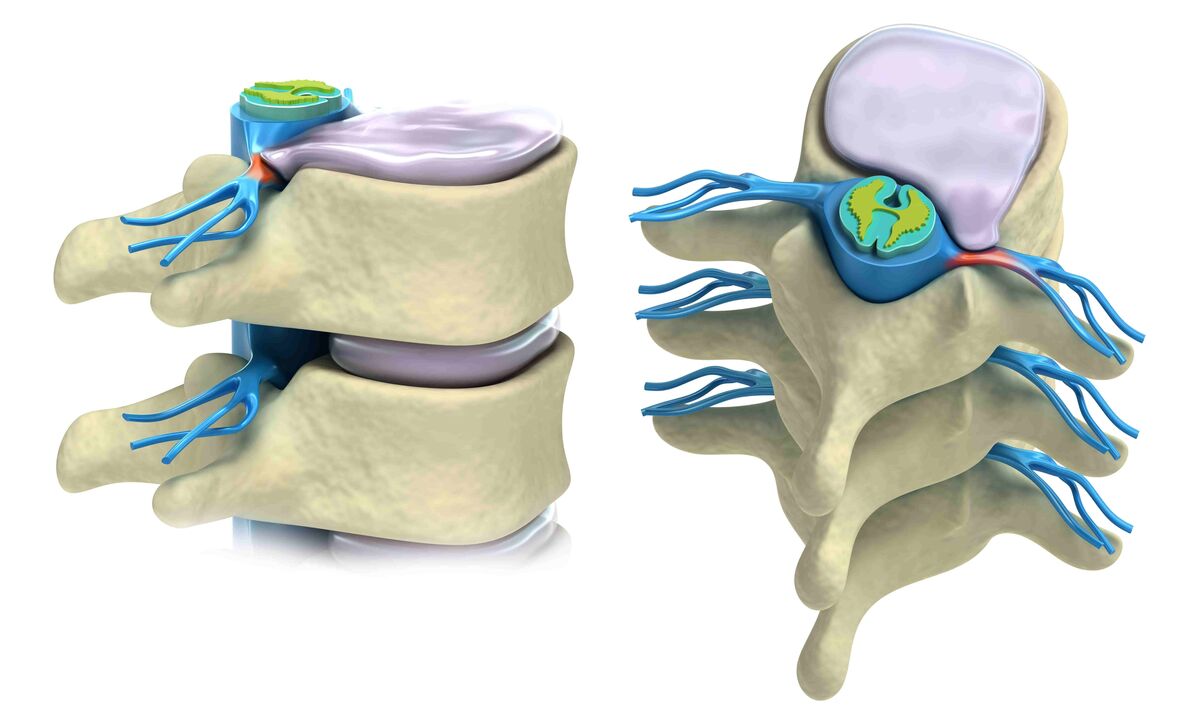
Osteochondrosis is a disease of the joint cartilage that connects the vertebrae.Due to its pathology, compression of the roots of the spinal cord occurs, which is the cause of pain.Anyone over the age of 30 is at risk of developing osteochondrosis, a diagnosis that has recently become more common in teenagers and young adults.
The main causes of back pain attacks are lifting heavy objects and working in uncomfortable positions for long periods of time (such as weeding or gardening).Osteochondrosis can also develop during long car journeys when a person is constantly in a seated position.This type of low back pain can affect almost anyone.You can identify osteochondrosis by the following symptoms:
- Lower back pain, pain radiating to the legs;
- The pain becomes more intense with movement, position change, or weight bearing;
- You may suffer from burning or stinging pain - "low back pain";
- After staying in one posture for a long time, it is difficult and painful to change;
- Decreased sensitivity in the legs and buttocks, causing a "goosebump" feeling;
- The feet are cold and the sweating function is impaired.
Osteochondrosis has no body temperature.Pain caused by osteochondrosis can occur at any time

if youcompletely sureIf the problem is in your spine, the following measures will help:
- Tie a wool belt or wool scarf around your waist;
- Lie on a hard surface: board, table, hard mattress;
- taking non-steroidal anti-inflammatory drugs - ibuprofen, diclofenac, meloxicam;
- Topical anti-inflammatory ointment.
It is important to remember:Painkillers should not be taken on an empty stomach.They can irritate mucous membranes and may cause gastritis or ulcers.If you're unsure about the diagnosis, talk to your doctor—taking anti-inflammatory drugs for stomach or pancreatic problems may make the condition worse.
Don't try to "straighten" your back on your own - this can increase pain or even injure your back.If osteochondrosis worsens, warming surgery is not recommended.Under no circumstances should you take a hot bath or use a sauna.After warming up, a person will feel temporary relief, and then the pain will become significantly worse.If this pain bothers you regularly, you should get an MRI (image of the lumbar spine) and consult a neurologist.
Important!If you experience pain relief or complete disappearance after taking anti-inflammatory medications, you should not resume physical activity.to patientsneed peace- Until a period of bed rest.
Back pain is a contraindication to physical activity.Neuralgia is inflammation of nerves.The symptoms of neuropathic low back pain are similar to those of osteochondrosis: the back reacts to movement, and the patient is afraid of moving.But there are also some specific points:
- Pain spreads along the inflamed nerve;
- The pain is "twitchy" in nature and may subside or come on suddenly even at rest;
- There may be changes in skin color and sweating, and muscle tremors may occur;
- If pressure is placed on the back, pain can develop on both sides of the spine.
Nerve pain is difficult to cure, but it is necessary to find ways to relieve it.Help patients:
- Painkillers, anti-inflammatory drugs - diclofenac, ibuprofen, Voltaren, meloxicam;
- Drugs to relieve spasms - no-shpa, spasmalgon;
- Total peace.
For severe neuralgia, it is best to hospitalize the patient.Doctors at the hospital used Novocaine blockers to treat nerve pain.
remember!Using medicines without medical advice and testing may put your health at risk.
Causes of low back pain in women and men

We perform thousands of movements every day using all our joints, muscles, and ligaments.We test their "strength" every day by subjecting them to heavy loads.But the joints aren't as strong as they appear at first glance.They suffer many injuries and destructive processes.Pain is often an unbearable ordeal for a person.Lower back pain occurs when various parts of the spine (joints, discs, muscles) undergo degenerative changes.In addition, it may be a signal about internal organ disease and the presence of infection in the body.
Soreness in waist
Back pain in the morning indicates disruption of the blood supply to the spinal cord, various injuries, tumors, and scoliosis.Many conditions characterized by low back pain syndrome:
- Osteochondrosis.
- Spondyloarthropathy.
- Infection in the body.
- Ankylosing spondylitis.
- Lumbar radiculitis.
Let's look at each part in more detail.
osteochondrosis
A disease that affects 80% of the elderly.The cause is natural wear and tear on the various segments of the spine.It is accompanied by severe shooting pain that hinders a person's motor activities.
reason
Today, there are many causes of lower back pain, as the spine bears most of the load every day.
Basic:
- Spinal injury.
- Pathology of skeletal development (scoliosis).
- Increase physical activity.
- Bad living habits and unhealthy diet.
- Stress, depression.
- Lack of physical activity.
- infectious disease.
- Age-related changes in the body.
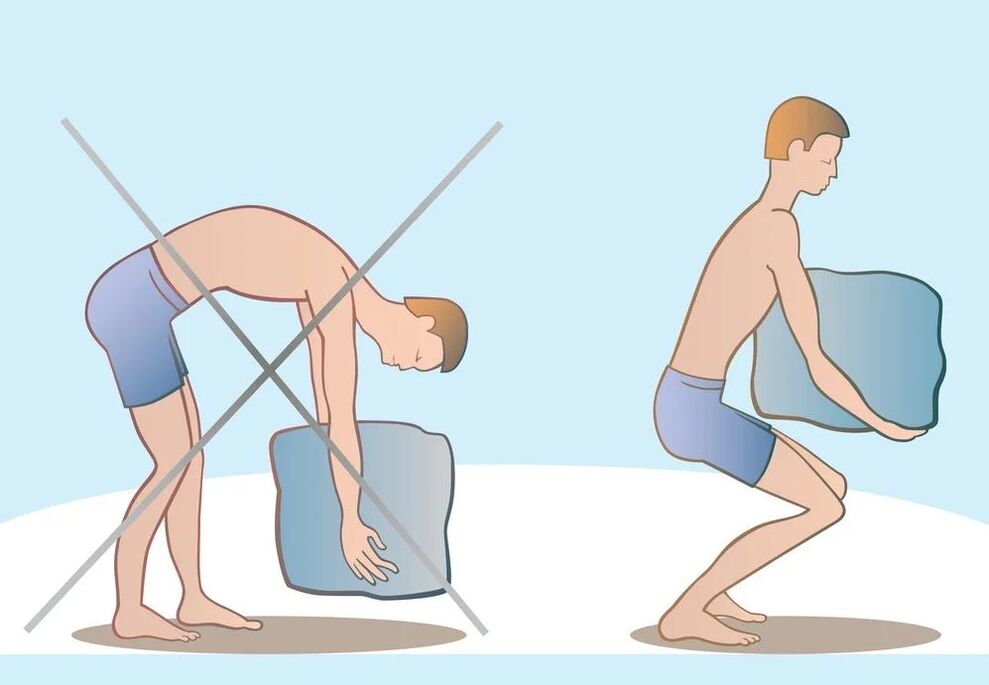
symptom
They appear gradually and are sometimes barely noticeable in the initial stages.The first signs are discomfort when trying to straighten the back and rapid fatigue when walking, even with minimal physical activity.In the first stage, a dull pain in the lower back occurs only with increased physical activity or hypothermia.
In subsequent stages, the symptoms become more pronounced, with stiffness of movement, weakness, and more severe pain; it is no longer a soreness, but a strong, sharp pain in the lower back that comes with the slightest movement of the body.This is due to compression of the spinal nerve roots, which occurs when the intervertebral space in a spinal segment is reduced.
attention!Osteochondrosis of the lumbar spine can cause partial paralysis.
In addition, problems with the genitourinary system may also be one of the symptoms of lumbar osteochondrosis. Deformed vertebrae can damage a person's internal organs, disrupt urination, and cause discomfort.In men, this can lead to impaired sexual performance, and in women, inflammation of the ovaries, uterus, and appendages.
spondyloarthropathy
It is a form of osteoarthritis characterized by degenerative changes in the intervertebral joints.Affects all parts of the spine.People over the age of 65 are most susceptible to this disease.
The first stage is the decrease in elasticity of the intervertebral joint cartilage.In the future, this can lead to deformation of the joint capsule and periarticular bone tissue.The final stage is the formation of bone growth - osteophytes - along the edges of the joint.
symptom
The pain syndrome is localized to the lower parts of the body (buttocks, lower limbs).The muscles were weak and the spine was significantly deformed.
body infection
In the morning, pain syndromes naturally occur in patients with infectious diseases.
- Renal pathology.Pain in the left lower back is characteristic of kidney disease.People with urolithiasis experience severe, throbbing pain.Generalized weakness, fever, and dull pain accompanied by pyelonephritis.With kidney disease, pain occurs in the morning, does not get better at night, and sometimes worsens during sleep.
- Oncological diseases.
- Pathology of the pancreas.Pain in left waist, band-like pain.It manifests itself in malnutrition (alcohol, fatty foods).The attack is also accompanied by abdominal distension and vomiting.
- Women's diseases.It is characterized by persistent, moderate pain in the back and sides of the appendage area.
- Scoliosis.Resulting in persistent moderate back pain.
- Low back pain.Acute attacks of low back pain are characterized by throbbing pain due to compression of the lumbar nerves.
Important!Even after a minor spinal injury (fall, blow), persistent pain in the lower back can lead to serious consequences that only appear over time (read also about the causes of lower back pain in men).
ankylosing spondylitis
It is a chronic disease in which an inflammatory process affects the joints and spine.This disorder is also called "ankylosing" (fusion).In the final stages of the disease, the movement of the spine is actually limited due to the bony corset close to the spine.According to statistics, the disease accounts for 0.5-2% of the incidence of the disease on earth, and the prevalence rate in women is lower than that in men.
The cause of the disease is unknown; the disease is classified as idiopathic.Experts have found that if the HLA-B27 gene is present in the body, the risk of developing Behetru's disease is high, but they do not rule out the possibility of suffering from the disease without the gene in the body.Playing an important role in the development of the disease are:
- Inflammatory diseases of the genitourinary system.
- Endocrine gland dysfunction.
- Pelvic bone injuries.
- Low temperature.
- Inflammatory diseases of the abdominal organs (microbial streptococci).
Specifics of symptoms
First, this is stiffness in the sacral area.Sometimes the pain radiates into the legs.It's more noticeable in the second half of the night (4 a.m. to 6 a.m.).In youth, the pain is concentrated in the heel.
Moreover, the characteristic of pain is that it worsens after stopping exercise and becomes more severe and persistent.Upon waking, a person may experience joint stiffness and pain in the arms and legs, but this will disappear over time.
Additionally, ankylosing spondylitis is characterized by damage to the eye membranes, along with pain, tearing, and vision loss.
Symptoms are more complex and severe in men than in women.
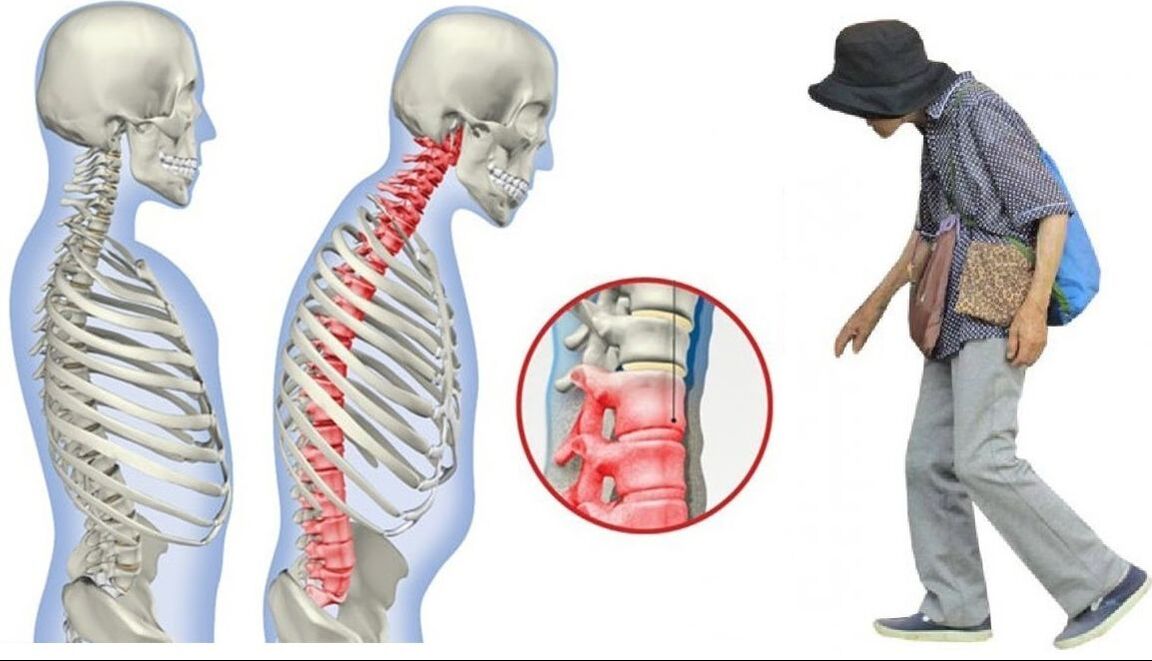
- Discomfort, soreness, and strain in the lower back when walking; due to the pain, the person is forced to adopt unnatural postures.This causes men to stoop.
- Loss of flexibility due to compression and fusion of vertebrae.
- The function of internal organs, such as the gastrointestinal tract, is disrupted.
Symptoms of the disease are milder in women.This can lead to more diagnostic problems.The pain is very weak, aching, and concentrated in the lumbar area.
Lumbar sciatica
A disorder that affects the nervous system of the spine.Inflammation and compression of spinal nerve roots.Radiculitis affects nearly 10% of the world's population.Most are in the 35 to 50 years category.But there are also cases of early onset.
reason
There are many causes of disease, the most common ones are:
- Metabolic processes that damage spinal tissue.
- Degenerative changes in the spine.
- infectious disease.
- Spinal injury.
- Abnormal function of the spinal musculature (muscle contraction - spasm).
- Excessive fatigue of the spine.
disease symptoms
It contains several symptoms simultaneously, since it is a pathological process:
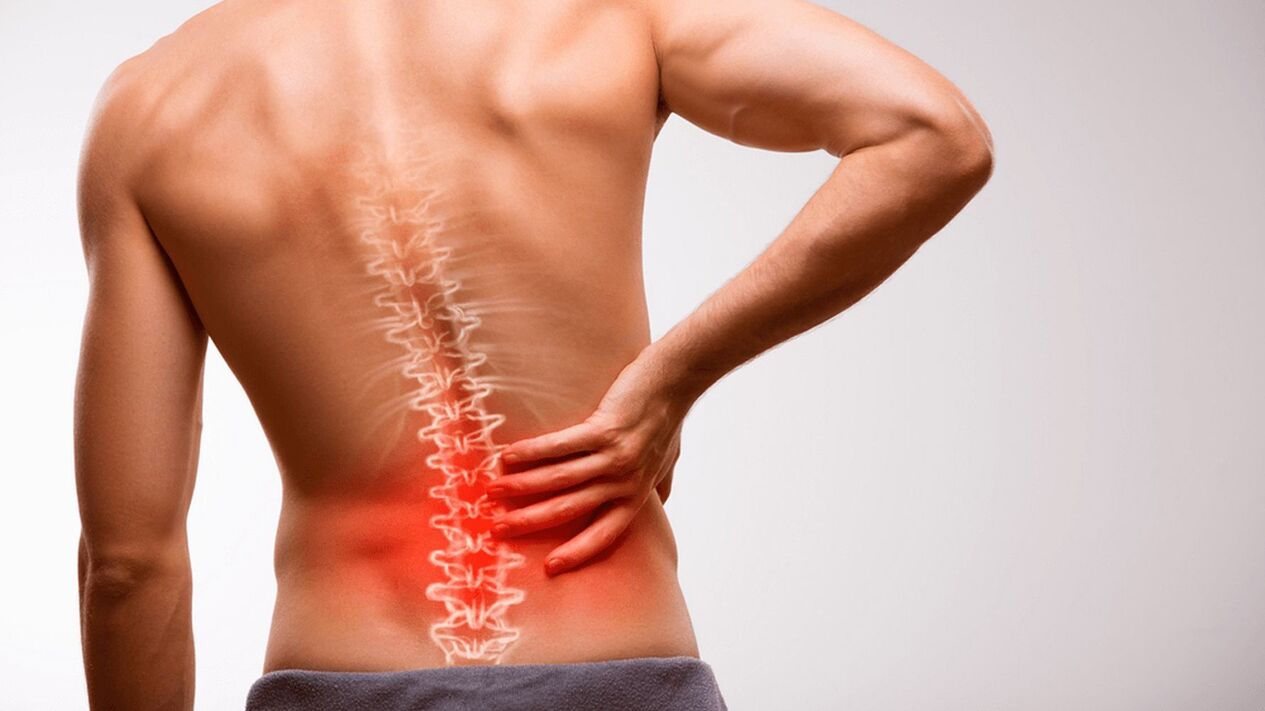
- The pain is concentrated in the lower back.Essentially, it can produce a burning, painful sensation that is severe and radiates to the pelvic organs and legs.The pain gets worse with even the slightest amount of exertion.
- General physical weakness; it is difficult to get out of bed alone, let alone move the whole body.
- Muscle spasm in the affected end areas of the spine.
- Poor posture and gait, the patient is forced into unnatural positions, resulting in lameness.
- Discomfort in the pelvic area.
- Pain during defecation and urination.
- Changes in skin sensitivity (numbness, goosebumps).
- Pain on palpation in the lumbosacral region of the back.
Radiculitis occurs primarily in a chronic phase but may worsen periodically.
What is the body trying to say through pain in the lower back?
Lower back pain is not uncommon.They may indicate uncomfortable and irregular posture, or signal a serious illness.Therefore, you should not ignore this signal and hope for "maybe."
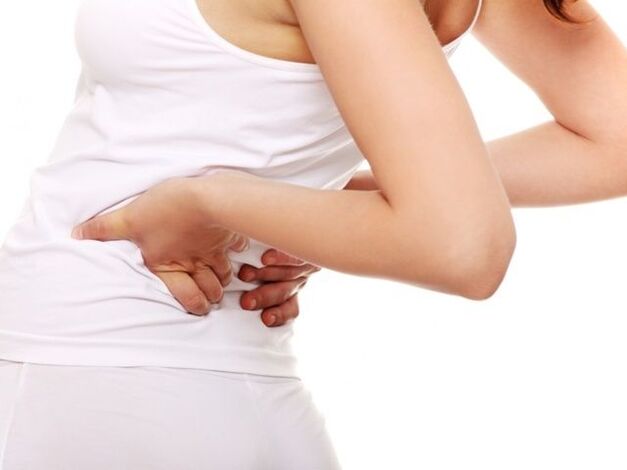
What diseases can cause this feeling?
Lower back pain is often a symptom of a chronic process in the body.However, it can also happen suddenly.In this case, it is accompanied by fever.The causes of this pain vary, but without a doubt the most common ones are as follows.
- Osteochondrosis, manifested by degenerative processes in the intervertebral disc area.
- Radiculitis, which is the result of osteochondrosis and damage to the nerve roots in the back.
- An intervertebral hernia is the most common cause of lower back pain, but it can often develop into a more intense sensation.
- Menstruation is also a cause of dull pain.It is usually caused by increased physical activity and is characterized by pain that is also localized in the lower abdomen.
- Diseases of the kidneys and other organs of the genitourinary system.These sensations are different from the pain caused by spinal disease.Therefore, kidney pain is usually more severe on the side of the kidney with disease (right, left).
- Muscle spasms due to pinching of nerve endings and blood vessels are also responsible for this pain.
- Injury – For them, this pain is typical of the healing and recovery period.

Although all causes are serious, the most dangerous diseases that cause this feeling are osteochondrosis and radiculitis.These conditions, which cause back and lower back pain, are largely unresponsive to treatment and only worsen over time.
Low back pain due to osteochondrosis, hernia, and radiculitis
It’s worth noting that low back pain is common even in the absence of serious medical conditions.There are many reasons for this phenomenon: being in a monotonous posture (sitting or standing) for a long time, poor posture, unreasonable organization of work space, lack of or too much physical activity, etc.
However, in the case of osteochondrosis, the pain in the back and lumbar region is severe, although dull in nature.Another sign of osteochondrosis is a loss of skin sensitivity on the legs (fingers and parts of the feet).
Osteochondrosis is often accompanied by nerve root compression—this is radiculitis.The pinched end becomes inflamed, causing frequent back and waist pain.Back pain is caused by sudden bending or overexertion at work, but it can also occur for no apparent reason.
A less common cause of persistent back pain is an intervertebral hernia.
Its treatment is surgical, which is difficult to achieve without surgery because once the annulus fibrosus ruptures, the consequences are tragic.The most common is paralysis of the legs, arms, or limbs.
In addition to back and lower back discomfort, other symptoms of a hernia include numbness of the skin and loss of sensation in the legs.
Low back pain syndrome complicated by other symptoms
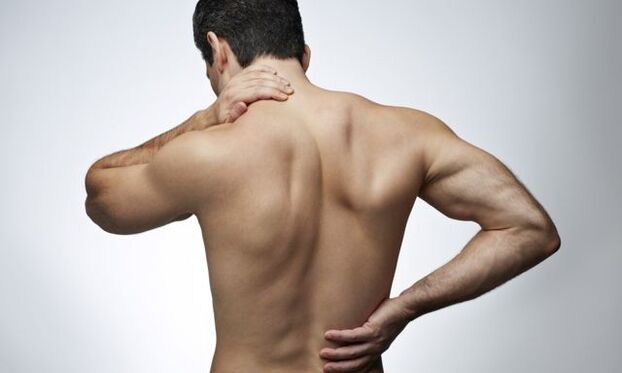
Therefore, lower back pain radiating to the left side of the back may indicate the following conditions:
- Diseases of the musculoskeletal system;
- Pain on the left side may indicate heart disease;
- Abdominal organ disease;
- The left side is projected with renal pain in which a pathological process was observed;
- damage to the pleura and lungs;
- Myositis and pregnancy in women can also appear on the left side.
If we talk about pain that affects the lower abdominal area in addition to the waist, then we can talk about acute and chronic conditions.
For the former, the sensation is always more intense and sharp, but the constant pain in the waist and lower abdomen indicates that this is a chronic process.
But only a doctor can make a more accurate diagnosis and prescribe appropriate treatment.
Uncomfortable feelings in the waist and lower abdomen are often symptoms of:
- colitis;
- appendicitis;
- osteochondrosis;
- Inguinal hernia;
- Urolithiasis;
- Tumor;
- Female and male reproductive system disorders;
- Pain in the lower abdomen and waist is an accompanying symptom of intestinal infections as well as urogenital infections.
It should be noted that colitis and appendicitis are often accompanied by fever.However, in the context of diseases such as influenza, cystitis, pyelonephritis, and muscle injuries, elevated body temperature and low back pain may also occur.This symptom is a signal to seek medical help.
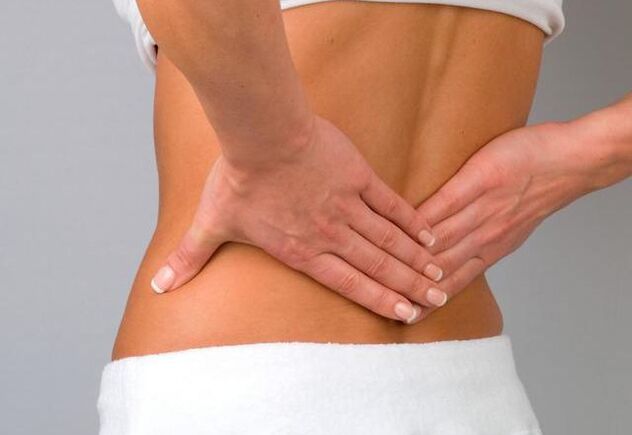
A pain syndrome projected on the right side may indicate an uncomfortable position and poor posture, as well as a more serious disorder.
Increased discomfort in the right lower back may again indicate kidney disease, disc displacement, and reproductive organ disease.
Additionally, some discomfort on the right side may indicate a gastrointestinal problem.Another cause of pain on the right side may be obesity.
If lower back pain radiates to one or both legs, then we are most likely talking about lumbar pain, sciatica, or radiculopathy.
These diseases are chronic, meaning they have periods of remission and exacerbation.Lower back pain returns and radiates into the legs, causing hypothermia and stress.
Treatment includes taking painkillers and taking the load off the legs and lower back.
drug treatment
Treatment can only be given after a doctor confirms the diagnosis.Usually it consists of the following stages.
- Anesthetic injections and medications.
- Acupuncture treatment.
- physiotherapy.
- Gentle LHA.
- Book swimming lessons.
- Osteopathy (treatment that involves pulling bones into their correct orientation).
- Manual or hardware massage.
- Treatment using kinesiology.
It’s worth noting that low back pain is common even in the absence of serious medical conditions.There are many reasons for this phenomenon: being in a monotonous posture (sitting or standing) for a long time, poor posture, unreasonable organization of work space, lack of or too much physical activity, etc.
However, when a person knows his or her diagnosis, it is easier to prevent relapse by taking good care of oneself.In all other cases, you should not delay seeing a doctor, as the consequences of delay can be sad.
It's important to remember this when communicating with your doctor.In Russian medical practice, incompetent doctors recommend surgical treatment at the first sight of a hernia patient.This is fundamentally wrong.
This suggestion is associated with a desire to "get rid of" the patient and is indicative of a lower quality physician.
When lower back pain is severe and the cause has been identified, the answer to the question "What should I do?"Clear - cure.The duration of treatment depends on the pathological situation.Treatment times for osteochondrosis and hernias are longer, from three months to a year or even longer.Other illnesses require shorter treatment times.
It is impossible to independently determine the source of the problem, let alone eliminate it.You need to see a doctor.
Fortunately, treatments for most diseases have already been developed, so the problem is quickly forgotten as long as the patient has a certain sense of responsibility and perseverance.